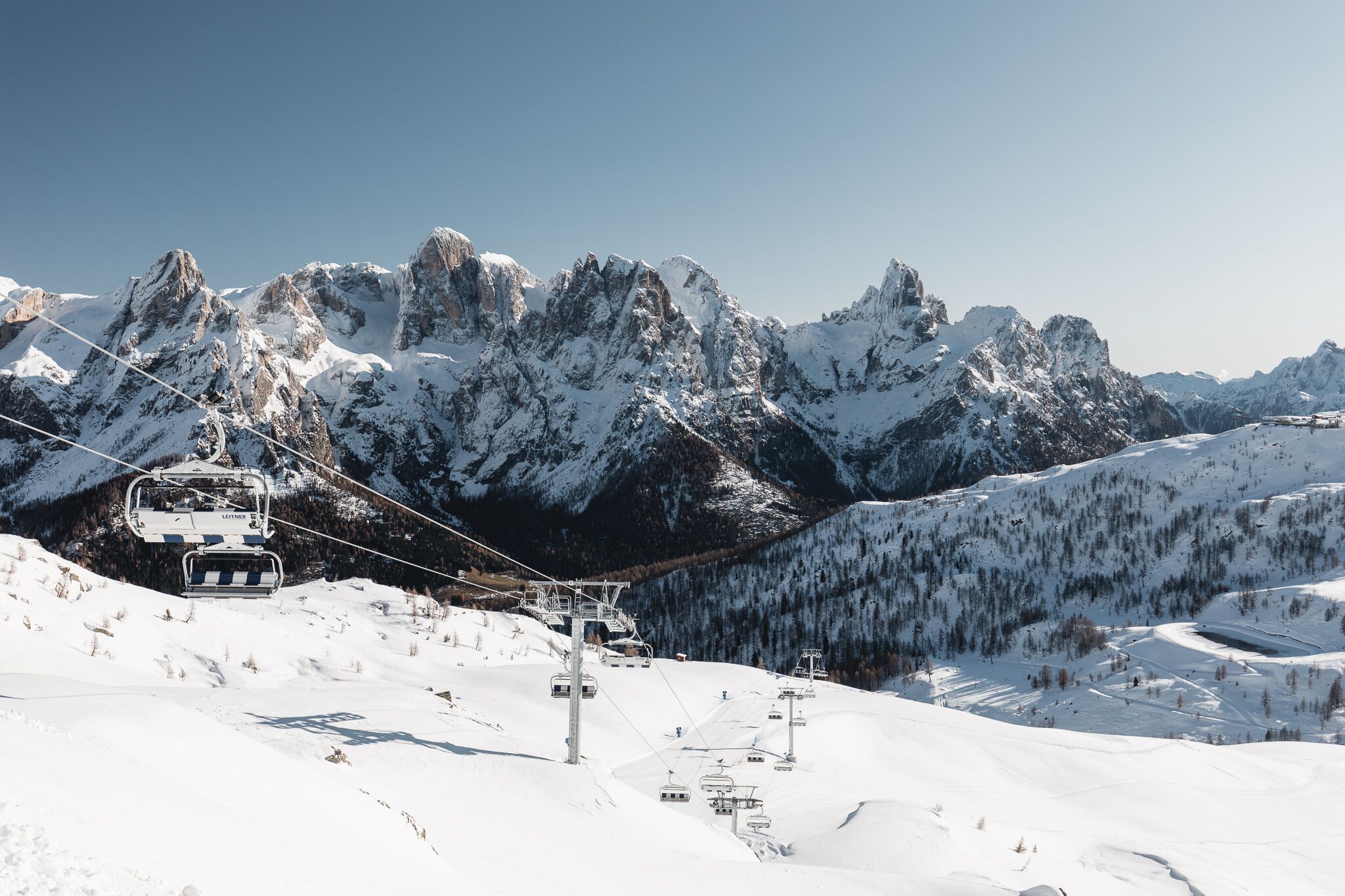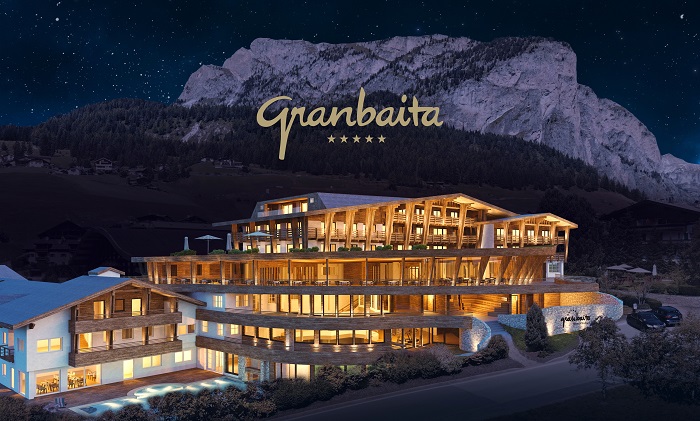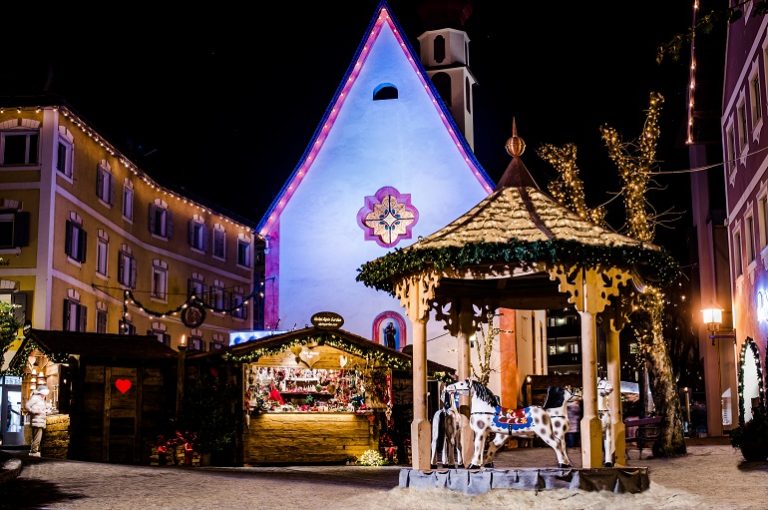
Val Gardena has been recognized as the Christmas Valley for years and, starting from 29th November, the miles of lights of the three Christmas Markets of Ortisei, S. Cristina and Selva Val Gardena – immersed in the natural setting of the Dolomites, UNESCO World Heritage Site – will light up again.
Each of the three markets, however, has different characteristics and peculiarities…let’s go and discover them
Ortisei will become the “Christmas Village” and its market will offer gifts and surprises among Christmas melodies, homemade cakes, handmade wooden objects and a myriad of lights. Every day you can watch the choir show or listen to the sounds of the mountain horns or even participate in Ladin cooking classes. There are many products offered by the stands, all original and authentic, from sculptures and dolls to Christmas garlands, from lanterns to frames, from candles to felt products. Finally, children will be able to pack their letters in a special mailbox in Stetteneck Square.
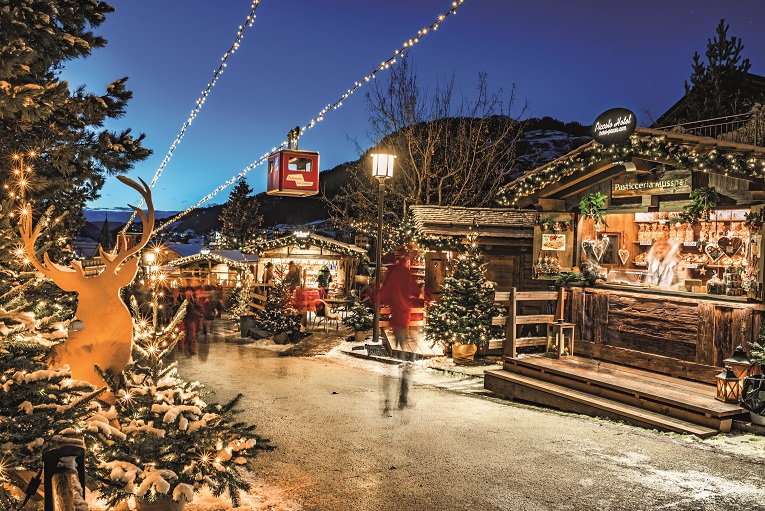
The Christmas Market of S. Cristina, traditionally offers many typical gastronomy and local craftsmanship products. The market is located in a panoramic location at the foot of the Sassolungo and Castel Gardena and has always offered a special atmosphere and many good ideas for a Christmas gift. In addition, you can attend live performances by master sculptors from Val Gardena and listen to music and mountain melodies. Every weekend and on weekdays, the peppery bread biscuits and the delicious “Spitzbuben”, short pastry biscuits filled with apricot jam, will be baked.
Finally, Selva di Val Gardena, famous for its “Mountain Christmas“. The village is located in the heart of the Dolomites, at the foot of the Sella massif… The atmosphere of the ski slopes will be ideally transferred to the pedestrian street in the centre of the village where a continuous strip of lights 350 meters long and 12 wooden reproductions of the cable car cabins will be realized. Among the stands you can taste the gingerbread, mulled wine, homemade cakes, chocolate production or buy unique items for next Christmas.
A multitude of balls and sparkling lights, together with Christmas songs, will cheer up the hearts and bring joy and wonder to the eyes of children. In addition, the traditional art of Val Gardena sculpture will be on display in a beautiful exhibition of nativity scenes.
INFO: Val Gardena
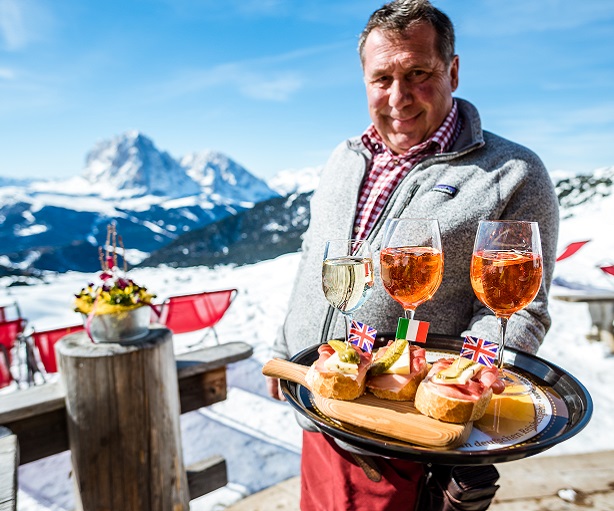
Eating well is part and parcel of the South Tyrol experience: the local cuisine features rich, regional recipes with hearty and local ingredients such as spicy Speck, smoked sausage, tasty cheese and Schüttelbrot. The culinary experience boasts a variety of traditional restaurants, pizzerias and gourmet Michelin and Gault Millau restaurants. The offer is rounded off by the typical combination of Mediterranean lightness and grounded, alpine flavours. In Val Gardena there are two places which are considered the culinary Eldorado: the working stations of starred chefs Mario Porcelli at the Alpenroyal Grand Hotel in Selva Val Gardena and of Reimund Brunner at the Anna Stuben in the Hotel Gardena in Ortisei. Sublime dishes interpreting and combining the cuisine of the Italian and Austrian culture in outstanding ways.
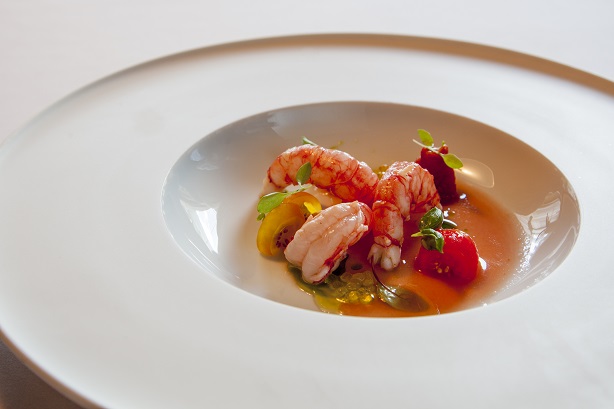
Discover fine dining also up on high! Skiing in Val Gardena is a real treat thanks to the 65 traditional mountain huts peppering the edge of the slopes. Most of them have been run by the same family for generations, and each hut is proud to deliver a unique offer ranging from traditional dishes to sophisticated cuisine featuring grilled steaks and seafood. The offer is rounded off by a large selection of wines, mostly from South Tyrol.
Be inspired and book four stay on Val Gardena
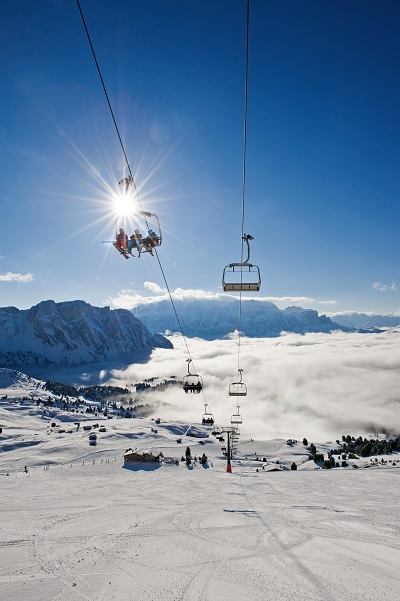 The skiing season in the Dolomites’ and Italy’s best skiing area, crowned as such on numerous occasions, starts on 5 December and ends at Easter on 14 April 2020.
Pleasant hills as well as steep slopes, including the ones featured during the World Cup, pepper the landscape of the skiing carousel, where skiers start whizzing down the slopes from 5 December. In the Val Gardena/Alpe di Siusi skiing area, which includes the Sellaronda, more than 500 perfectly groomed kilometres of slopes await passionate skiers.
The region in and around Val Gardena counts some famous slopes among the ones found in its network: take the worldfamous Sellaronda for example, a 40-kilometer ski excursion around the Sella massif, which leads through four Ladin valleys and three Italian regions, attracts numerous visitors. It offers unlimited skiing and snowboarding fun for all levels, always against the backdrop of stunning views over the Dolomites; moreover, it’s connected to the world‘s largest ski carousel via the Dolomiti Superski lift network.
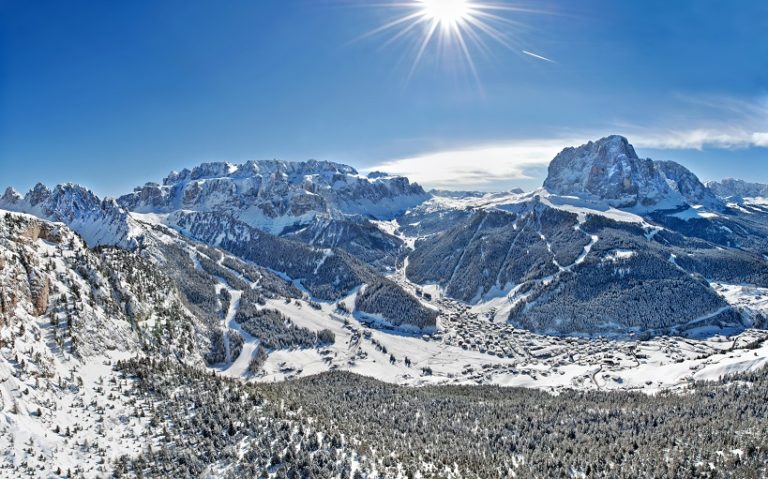
The Saslong, on the other hand, is an alpine slope legend: what with its 3.4 kilometres and 839 metres of elevation gain, it turns into the venue of one of the most important downhill races in the international Ski World Cup circus shortly before Christmas every year. But the view of the Passo Sella is also a breathtaking one: nestled between the Sella massif in the south with its bizarre rock faces and the Cir peaks in the north, you can enjoy the fantastic view of the valley and the Sassolungo on the other side of the valley.
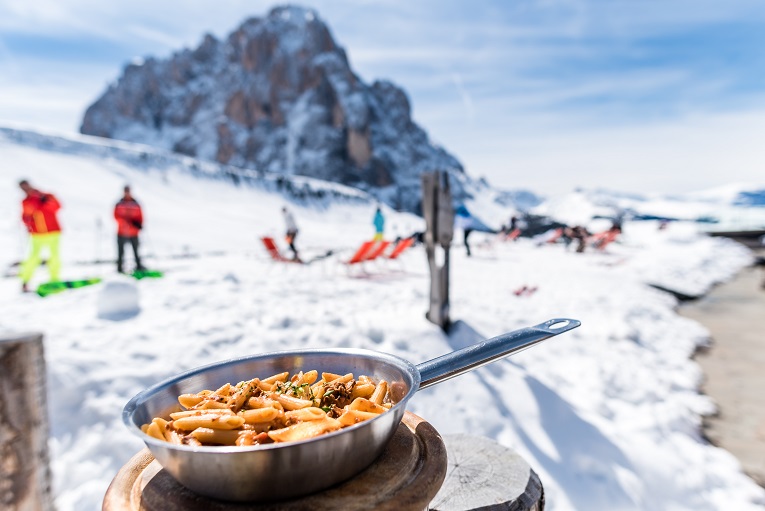
Whoever wants to combine winter sports with pleasant skiing sessions and physical well-being can do so in the Col Raiser/Seceda area featuring spacious and wide slopes. There are a good 16 mountain huts – out of 65 in the whole Val Gardena skiing area, which will charm skiers with their traditional character and cosy interiors – tourists can stop at to enjoy culinary delicacies and for a bit of a break out on the sunny terraces. What better complement than traditional South Tyrolean specialities such as Schlutzkrapfen, a range of different dumplings and sensationally good cheese as well as delicious desserts. You won’t find any fast food here!
You can easily plan your winter holiday in Val Gardena at www.valgardena.it – see you on the slopes!
INFO: Val Gardena
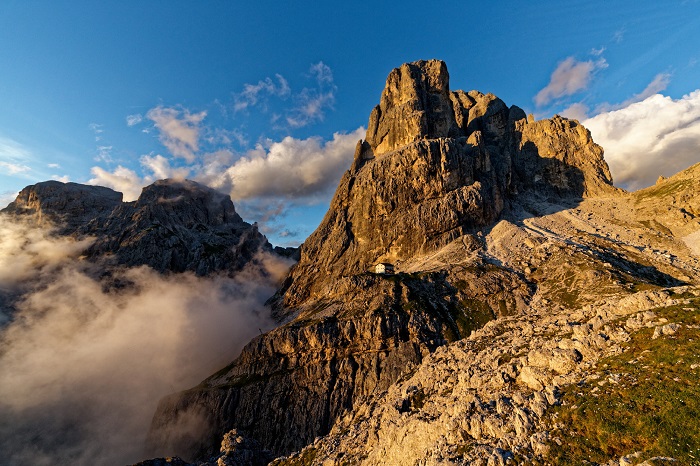
Good news for trekking lovers: the summer season is not over!
In the Pale di San Martino – the widest group of the Dolomites, a UNESCO World Heritage Site, there is still time to experience hiking thanks to lifts and mountain huts being open during the following weekends: 28-29 September, 5-6 and 12-13 October. A great opportunity to see the magic autumn’s colors experiencing trekking at high altitude immersed in the Natural Park Paneveggio – Pale di San Martino, taking the lifts Tognola, leading to Alpe Tognola (2000m), or the lifts Colverde-Rosetta taking to the Pala Plateau (2600m).
In the Pale di San Martino, during the weekends until the 13th October, you will also find open mountain huts: Rifugio Rosetta, Rifugio Pradidali, Rifugio Velo della Madonna, Rifugio Mulaz and Rifugio Treviso Canali Huts will let you feel the magic atmosphere of mountain huts and let you taste local, typical food.
During the weekends you will find special events dedicated to the mountains and free shuttle buses to Val Venegia and Val Canali will be available.
Moreover downhill lovers can still try the San Martino Bike Arena using Tognola lifts.
Click here to find out our suggestion for your autumn holiday.
INFO: San Martino di Castrozza, Passo Rolle, Primiero e Vanoi
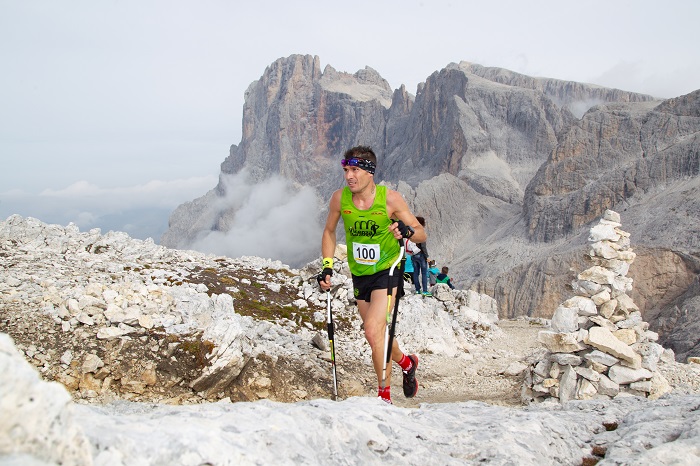
San Martino di Castrozza, Passo Rolle, Primiero and Vanoi, in the eastern part of Trentino and in the heart of the Natural Park Paneveggio Pale di San Martino, is the perfect area for those willing to discover the world with their running shoes on!
At the foot of the Pale di San Martino – a Dolomites Group and UNESCO world heritage site, runners have plenty of possibilities to get trained. They will find trails into the wood or in the mountains at high altitude, roads immersed in uncontaminated nature and connecting the villages of Primiero Valley and the first running park of the Dolomites, called Ces Trail. Ces Trail boasts 16 trails around San Martino di Castrozza, dedicated to running, but also trekking and walking and also offers the possibility to control the own performance and to challenge other runners thanks to Strava.
Those who prefer to run on difficult trails and who are ready to face certain altitudes, shouldn’t miss the 3rd Rosetta Verticale Trail Run, on the 21st September 2019. The race starts from San Martino di Castrozza and leads through the mountain path Nr.701 to the Altopiano delle Pale / Pala Plateau and then up to the Cima della Rosetta / Rosetta Top, that offers an amazing view on the Pale di San Martino, on the Rolle Pass, San Martino di Castrozza, the Lagorai Chain and other peaks. A wonderful panorama that will let runners forget the effort of the run!
Discover more at this link.
Photo Credits: ©Enrica-Pallaver.
INFO: APT San Martino di Castrozza
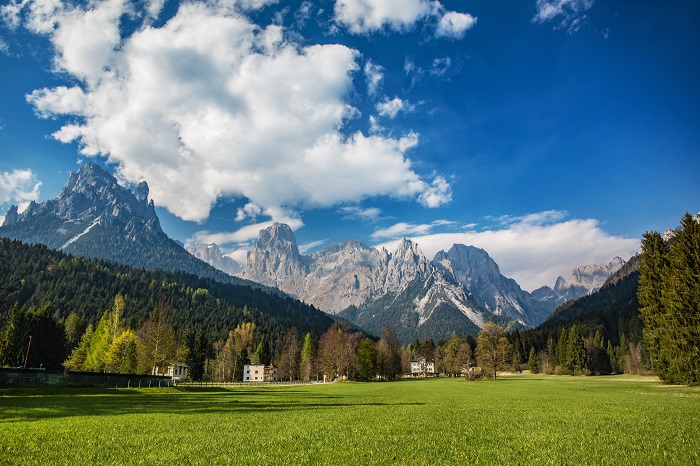
On the 15th September the last concert of “Sounds of the Dolomites” takes place in Val Canali, in a green meadow immersed in the nature, next to the Villa Welsperg, the “House” of the Natural Park Paneveggio Pale di San Martino, in Trentino. The beautiful meadow at the foot of the Pale di San Martino, the widest group of the Dolomites, will be the theater of the incredible voice of Malika Ayane, one of the most amazing pop singer in Italy. In fact, with her extraordinary voice and interpretative ability, her intelligent mix of melodies and receptivity to international sounds, there is no doubt that Malika Ayane represents one of the finest ventures in Italian music in recent years.
A great concert in an incredible frame, that’s what you will be witness of.
A suggestion? Have a walk in the surrounding area to enjoy the view on the Dolomites and to think about your next adventures in this area or take part in the trekking organized by the local alpine guides, the Aquile. If you prefer the mountainbike, there is also the possibility to reach the location by e-bike.
Don’t miss the closing concert of this festival taking place every summer in the Dolomites of Trentino Region and having as motto “Great things are made when men and mountains meet”, a quote by William Blake that perfectly reflects the spirit of the festival.
Photo Credits: Tommaso Prugnola
INFO: APT San Martino di Castrozza
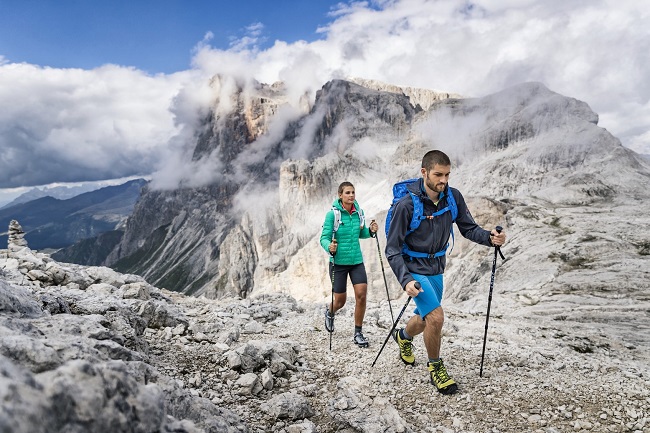
San Martino di Castrozza, in the eastern part of Trentino Region, and in the heart of the Dolomites, is an open air gym for all outdoor activities lovers. In this area, dominated by the majestic Pale di San Martino, you can experience trekking of any kind: one day trekking, trekking from hut to hut, in the wood or on the mountains, on easy paths or on difficult trails, dedicated to experts. Whatever kind of trekking you choose, you will enjoy an amazing view on the surroundings!
If you want to experience the thrills of an itinerant trek, share an Alpine mountain-hut dorm with your hiking companions after a day’s walk through the elegant Pale di San Martino and other magic peaks and discover the austere beauty that intrigued foreign travellers and mountain-climbers from as far back as last century, the holiday offer for you is the Dolomiti Palaronda Trek and the Park2Trek Dolomites.
The “Palaronda”, in its two versions (with or without vie ferrate) is a perfect opportunity to discover the Pale di San Martino and to enjoy their essence from the sunrise to the sunset.
The park2Trek Dolomites is the ideal solution for those seeking a wild environment where the nature shows its pure beauty and richness at most.
San Martino di Castrozza, Passo Rolle, Primiero and Vanoi also boast lots of trails for a one-day trekking. Don’t miss the brand new suspended bridge in Noana Valley, for a trekking immersed in uncontaminated nature, and if you want to experience a via ferrata, try the one in Val di Scala, in Vanoi Valley: It is perfect to learn how to afford such trails and it is particularly appreciated for its feasibility and for its access, which is located immediately next to the street.
Plan your trekking now!
INFO: San Martino di Castrozza
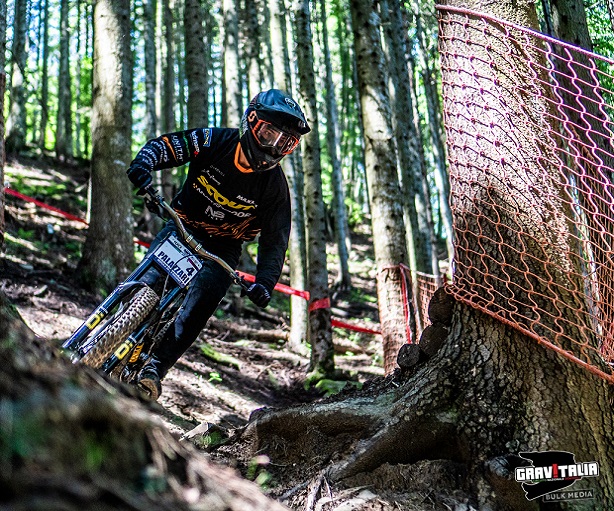
In San Martino di Castrozza, in the heart of the Dolomites and more precisely on the Alpe Tognola, you can find the San Martino Bike Arena, boasting different downhill and enduro / xc trails in front of the amazing Pale di San Martino. Open every day from mid-June to mid-September, the bike park is served by a cable car that in just 12 minutes reaches the altitude of 2200 m.
San Martino Bike Arena also offers specific services for biker: at the valley-station of the cable car you can find the Bikers Village with downhill bike rental, free bike washing, Bike bar and Chill area.
Alpe Tognola this summer will host the second round of the Gravitalia National Circuit. It will be a decisive event for the 2019 circuit. Athletes, divided into agonists and enthusiasts, will compete on a new track and the points earned will further define the general and category classification.
The main goal of Gravitalia National Circuit is to offer all participants the conditions to face with others athletes, improve technically and have fun in a charming location.
Don’t miss this appointment, scheduled for the 20th and 21st of July in the San Martino Bike Arena. Two days of show for bike lovers, but also for all those willing to see a particularly spectacular event, in a unique location.
For further info: Apt San Martino di Castrozza